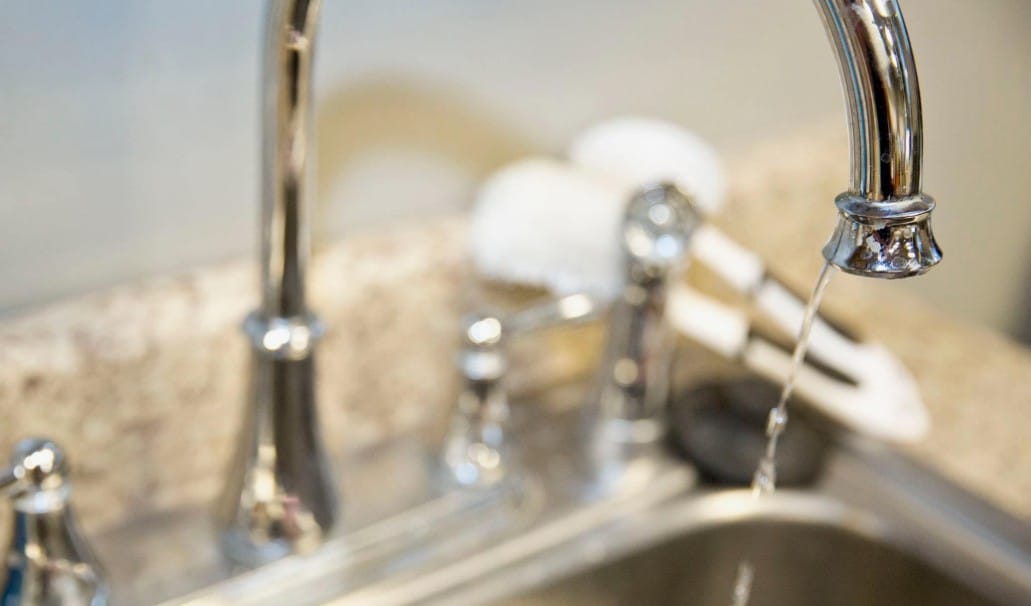
If your shower barely produces enough pressure to rinse shampoo and your kitchen faucet takes a full minute to fill a pot, you’re not imagining things. Low water pressure is one of the most common complaints in older homes, and the cause is almost never just one thing. Some of the fixes are simple enough to handle in an afternoon. Others will have you reaching for the phone.
Here’s how to work through it — starting with what you can check yourself and ending with the problems that need a licensed plumber.
Check the Easy Stuff First
Before you assume the worst, rule out the simple causes. These take minutes and cost nothing.
Open Your Valves All the Way
Every home has two main valves that control water flow: the main shut-off valve (usually in the basement, crawl space, or near the water heater) and the water meter valve (at the street). If either one is partially closed — which happens more often than you’d think, especially after a recent repair — your whole house loses pressure. Turn both fully open and test again.
Clean Your Aerators and Showerheads
That little mesh screen at the tip of every faucet collects mineral deposits over time. Unscrew it, soak it in white vinegar for 30 minutes, scrub it clean, and put it back. Do the same with your showerheads. If pressure improves at that fixture, the problem was localized buildup — not your plumbing system.
Check Your Pressure Reducing Valve
Most homes have a bell-shaped pressure reducing valve (PRV) where the main water line enters the house. These are set to keep pressure in a safe range — typically around 50 PSI — but they wear out over time and can fail in the closed direction, quietly choking your pressure. If you have a water pressure gauge (they’re under $15 at any hardware store), screw it onto a hose bib and check your reading. Below 40 PSI means something is restricting flow. A failing PRV is a common culprit, and replacing one is a job most homeowners hand to a plumber because it sits on the main line.
The Problems That Are Harder to Fix
If the easy checks didn’t solve it, the cause is likely deeper in your system — and this is where old houses start telling on themselves.
Galvanized Steel Pipes
This is the single most common cause of low water pressure in homes built before 1960. Galvanized steel pipes corrode from the inside out over decades, building up a layer of rust and mineral scale that narrows the interior diameter of the pipe. From the outside, everything looks fine. On the inside, a pipe that started at three-quarters of an inch may be down to a quarter inch of usable opening. The result is a slow, steady decline in pressure that gets worse year after year.
There’s no way to clean galvanized pipes effectively. Once corrosion has narrowed them significantly, the fix is repiping — replacing the galvanized lines with copper or PEX. This is a major job. It typically requires opening walls, running new lines, and reconnecting every fixture in the house. It’s also one of the most impactful upgrades you can make to an older home, and it’s not optional if the corrosion is advanced enough. A licensed plumber can scope a section of pipe with a camera to confirm the interior condition before you commit.
Old or Undersized Supply Lines
Older homes were often plumbed with supply lines sized for the fixtures and appliances that existed at the time. A house built in 1940 wasn’t designed for two full bathrooms, a dishwasher, a washing machine, and an irrigation system all running on the original half-inch main line. If your pressure drops noticeably when multiple fixtures run simultaneously — say, when someone flushes a toilet while you’re in the shower — the supply line may be undersized for your current usage. Upgrading the main line from the meter to the house is a plumber’s job, and in many municipalities it requires a permit.
Hidden Leaks
A leak anywhere in your system diverts water and reduces pressure downstream. Some leaks are obvious — a wet spot on a basement wall, a soft patch in the yard. Others are silent. If your water bill has crept up without a usage change, or if your meter shows flow when every fixture is off, you likely have a leak. Underground slab leaks and slow pinhole leaks in copper lines are particularly common in older homes and notoriously hard to find without professional leak detection equipment.
Municipal Supply Issues
Sometimes the problem isn’t your house at all. Ask your neighbors whether they’re experiencing the same thing. Municipal supply pressure can drop during peak usage hours, in neighborhoods at higher elevation, or when the city is doing infrastructure work. If the issue is external, your options are limited to installing a booster pump — which is effective but requires both plumbing and electrical work and should be sized by a professional.
The DIY Ceiling — When to Call a Plumber
Here’s the honest dividing line. You can clean aerators, open valves, flush a water heater, and replace a showerhead. Those are legitimate DIY fixes and they solve the problem often enough to be worth trying first.
But if pressure is low throughout the house, if it’s been declining gradually over months or years, or if your home was built before 1960 and still has its original pipes — the cause is almost certainly something you can’t fix with a wrench and a YouTube video. Galvanized pipe corrosion, supply line sizing, slab leaks, and PRV replacement all require a licensed plumber who can diagnose accurately and work within code.
The risk of pushing past the DIY ceiling on plumbing isn’t just a bad repair — it’s water damage, failed inspections, and insurance complications that cost multiples of what the plumber would have charged.
How to Find a Plumber You Can Trust
The hardest part of calling a plumber isn’t the cost — it’s knowing whether the person you’re calling is going to diagnose the real problem or sell you work you don’t need. A plumber who tells you the galvanized pipes are fine and you just need a new PRV might be right — or might be choosing the smaller, faster job. A plumber who recommends a full repipe without scoping the lines first might be upselling.
The best protection is comparing options before you commit. Check that the plumber holds an active state license, carries general liability and workers’ comp insurance, and has consistent recent reviews from homeowners with similar jobs. TheProGuide lets you compare vetted plumbers using community reviews and professional screening — so you can make the call with confidence instead of guessing.